
California (11%), Florida (7%), New York (8%), and Texas (14%) are states with high concentrations of single custodial grandmothers. These states are also significantly impacted by COVID-19. Check out our infographic to learn more.
as Caregivers

Missing at
Central Banks


The VisionInclusive Policy Research
A society where policy research addresses the economic, social, cultural and political well-being of Asian, Black, Hispanic, Native American and Multi-Racial women. WISER believes the well-being of Asian, Black, Hispanic, and Native American and Multi-racial women is vital for social and economic progress.
WISERWho We Are
Founded on International Woman’s Day 2016, the Women’s Institute for Science, Equity and Race (WISER) is a nonprofit, nonpartisan 501(c)3 research institute. WISER’s mission is to expand women-focused policy research to include the social, economic, cultural and political well-being of Asian, Black, Hispanic, Native American and Multi-racial women.
Support WISER Public Policy
The TeamOur Leadership
The WISER leadership team consists of professionals with expertise in economics, finance, journalism, law and public policy. WISER’s leadership is committed to creating a society where the needs of women of color are included in the design and implementation of public policy.
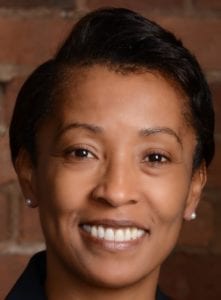


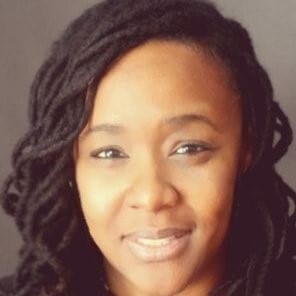
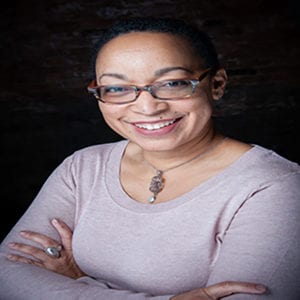 Tamara Jeffries has more than two decades as a writer and editor for national magazines, books and other publications. Most notably, she served as Executive Editor of Essence, the nation’s largest Black women’s magazine, from 2000-2004. She was also Editor-in-Chief of Health Quest: The Publication of Black Wellness and a Contributing Editor for Health magazine. She is co-author of Living Well with Diabetes with Constance Brown-Riggs and Dr. Brenda Wade’s Power Choices: Signposts on Your Journey to Wholeness, Love, Joy and Peace. She contributed to Mother Love’s health memoir Half the Mother, Twice the Love and to two books by sexual health expert Dr. Hilda Hutcherson. She has offered consulting services to individual authors as well as to publishing companies.
What We DoExpanding Women Focused Research
WISER conducts and disseminates research on the well-being of Asian, Black, Hispanic, Native American and multi-racial women; conducts policy analysis to identify and minimize disparate impact to Asian, Black, Hispanic and Native American and multi-racial women; and propose public policies that are inclusive of the needs of Asian, Black, Hispanic, Native American and Multi-racial women. WISER believes a microanalysis approach will draw different conclusions for each group as opposed to the broad umbrella of “women of color.”
WISER In The News
Trump-takes-credit-for-the-good-economy-heres-what-economists-say
Rhonda Sharpe, along with several other economists, was interviewed by PBS correspondent Paul Solman about Trumps's first year as President.
Does Trump deserve credit for economic growth?
Rhonda Sharpe was interviewed by, NewsHour economics correspondent Paul Solman. They talked about Trump and the intersection of race, conservatism and economics.
Wielding Data, Women Force a Reckoning Over Bias in the Economics Field
Rhonda Sharpe was interviewed by, Jim Tankersley of the New York TImes, about the gender bias in economics and the impact on women of color.
Our WorkInfoWISE
International Women's Day 2018
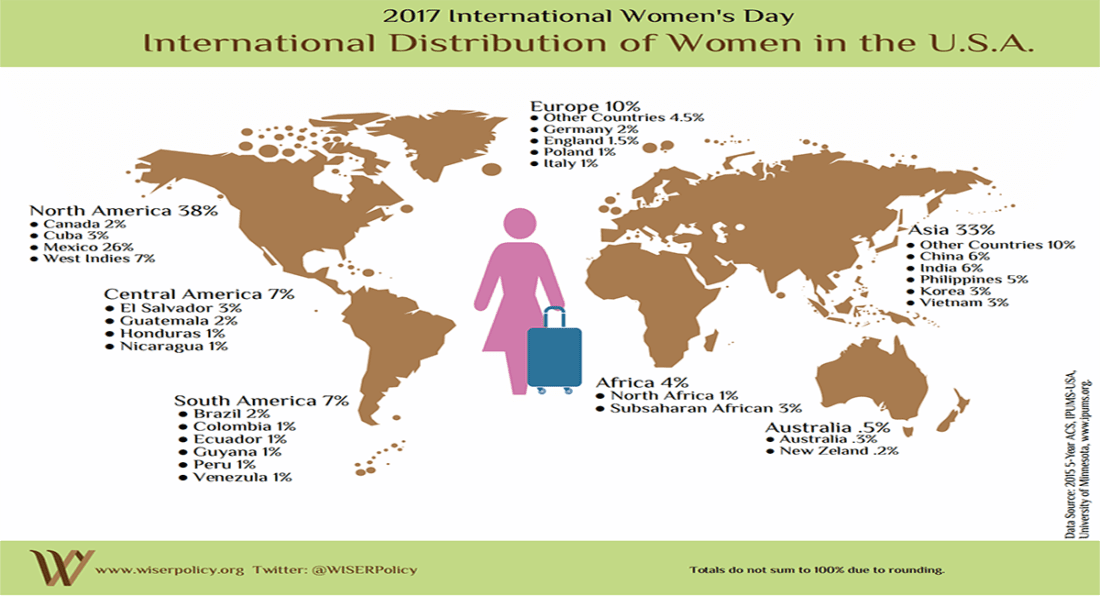
Most foreign-born women in the US are 18-24, have an HS diploma, work in a service occupation and are from a country in North America - Mexico 25%.